Hydronic Pipes Pressure Test
What is the hydronic pipes pressure test?
The pressure test performed on hydronic pipes, meaning pipes designed to transport water within civil and industrial hydraulic systems, is a fundamental procedure and consists of verifying that the pipes are capable of withstanding the required pressure without showing leaks or structural failures.
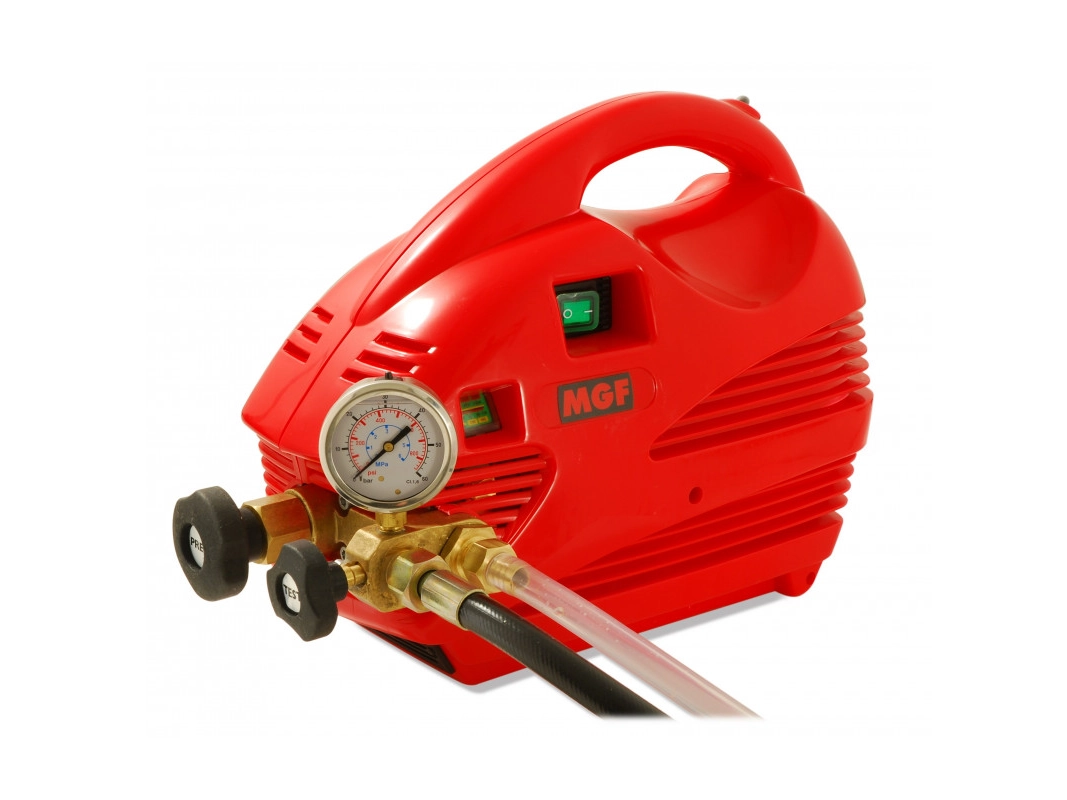
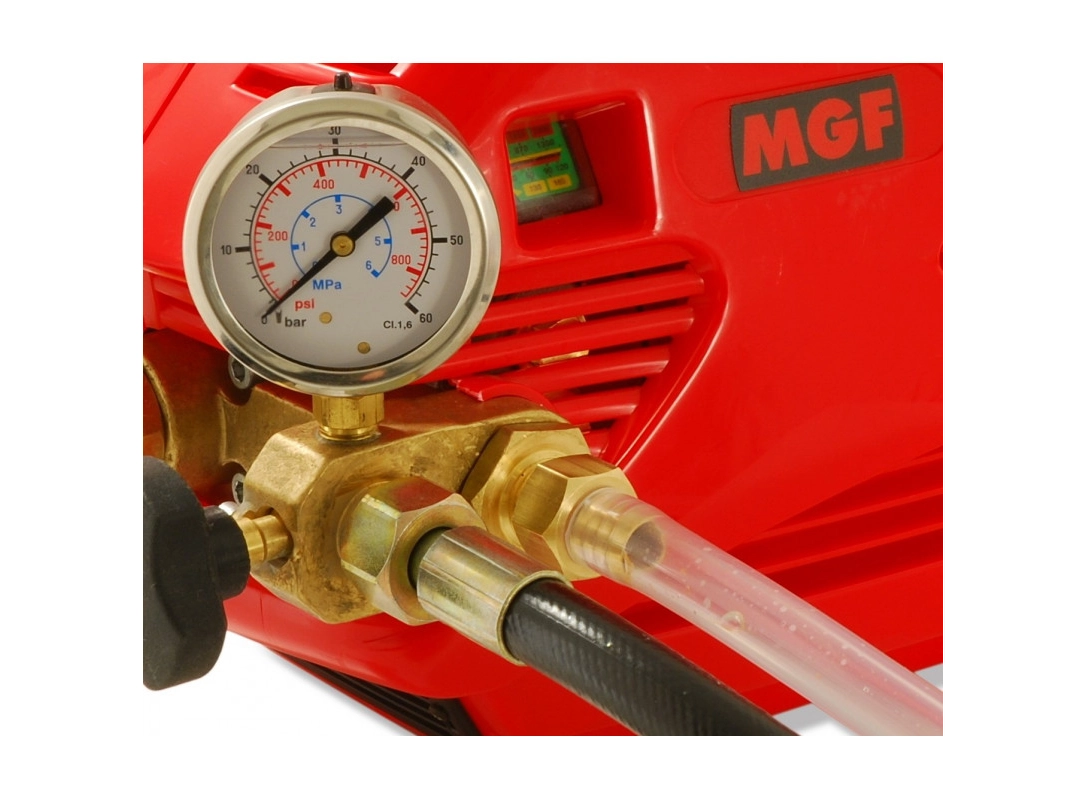
Why is the pressure test performed?
The pressure test is mainly carried out to ensure the safety and functionality of the hydraulic system. In particular:
- Structural damage caused by hidden water leaks is prevented.
- The health of occupants is protected by avoiding infiltration and mold formation.
- Compliance of the system with current regulations is ensured.
- Expensive repair work is avoided later on.
As is clear, the pressure test represents an essential preventive measure in the field of construction and system maintenance.
Reference standard: UNI EN 14336 e UNI EN 806-4
For hydronic heating and cooling systems, the primary reference standard is UNI EN 14336, which governs installation, commissioning, pressure testing and leak tightness testing of water-based systems.
For domestic water systems, the reference standard is UNI EN 806-4, which covers installation, pressure testing, flushing and disinfection of water distribution networks within buildings.
Advantages of pressure testing
Performing the pressure test offers several advantages for both professionals and clients:
- System reliability: Ensures that the piping functions correctly.
- Economic savings: Prevents unforeseen expenses due to failures or water leaks.
- Regulatory compliance: Meets legal requirements and facilitates certification issuance.
- Environmental protection: Reduces the risk of water waste and environmental damage.
- Peace of mind for the client: A tested system provides comfort and reassurance to the user.