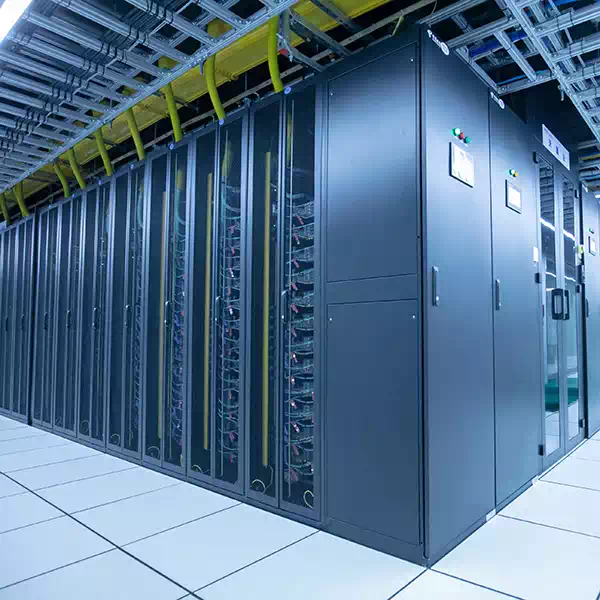
Data center commissioning
DATA CENTER COMMISSIONING
Data centers play a pivotal role in our modern digital landscape, serving as the unseen hubs where
vast amounts of information are stored, processed, and delivered across the internet and our
various devices. The growth of digital data and the ever-increasing demand for online services
underscores the critical importance of data centers in our daily lives.
To ensure that a data center functions with the utmost reliability, efficiency, safety, and uptime, it must be meticulously and systematically tested, commissioned, and proved before being put into operation, with the primary objective being to verify and validate that each component, system, and integration across the data center’s infrastructure.
Commissioning is a comprehensive and systematic process that involves verifying, validating, and testing all critical systems, equipment, and components within a data center facility. It ensures that the data center operates according to its design specifications, meets industry standards, and fulfills the functional requirements for optimal performance and reliability.
We should understand that Commissioning is not a one-time event but rather an ongoing endeavour that spans the entire data center lifecycle, from its initial design and construction to its day-to-day operation and eventual upgrades.


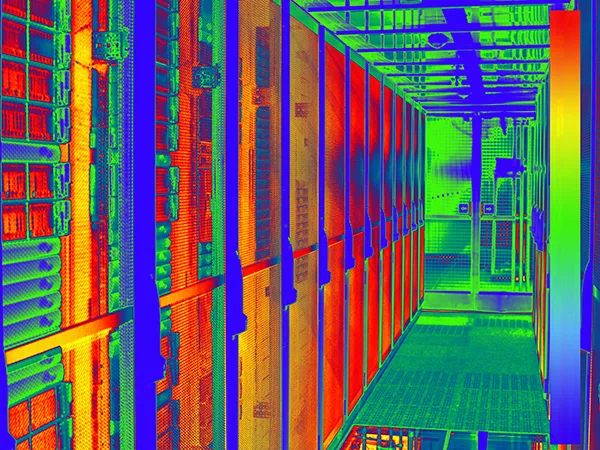
Commissioning levels
Levels of commissioning are used in the process of commissioning a data center to ensure a
systematic and comprehensive approach to testing, verification, and documentation, with each
level serving a specific purpose:
⬛ LEVEL 0 | Design and Planning,
🟥 LEVEL 1 | Factory Testing,
🟨 LEVEL 2 | Component Delivery, Installation & Pre-Start-up;
🟩 LEVEL 3 | System Start-up;
🟦 LEVEL 4 | Functional Testing;
⬜ LEVEL 5 | Integrated System Testing;
⬛ LEVEL 6 | Closeout / Turnover / Handover