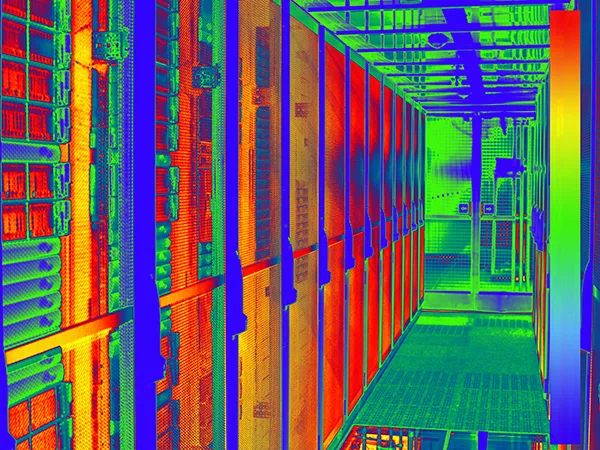
Thermal camera assessment
Thermal camera assessment
THERMAL CAMERA ASSESSMENT
The thermal camera is a very useful tool in HVAC systems, and it is mainly used for:
- Detecting thermal losses (locating heat leaks in ducts, walls, ceilings, or joints. And allowing you to see where insulation is missing or damaged);
- Checking uniformity of heating or cooling (verifying whether radiators, underfloor heating panels, or air diffusers are emitting heat or cold evenly and highlighting any cold or hot spots);
- Inspecting ductwork and air channels (detecting blockages, air leaks, or thermal bridges in distribution ducts and helping ensure that conditioned air reaches all areas.);
- Monitoring HVAC electrical systems and motors (Identifying overheating in electrical panels, terminal blocks, or fan motors and preventing failures caused by loose connections or excessive loads);
- Checking evaporators and condensers (detecting temperature anomalies on heat exchange surfaces and helps identify issues like partial blockages or refrigerant leaks);
- Diagnosing moisture or condensation formation (cold spots can indicate potential areas for condensation or mold growth);
- Comfort checks in indoor environments (Measures temperature distribution to ensure
thermal comfort for occupants in air-conditioned space);
In summary, the thermal camera allows you to reveal hidden problems before they become serious or costly to repair. It’s an invaluable tool for preventive maintenance, testing, or improving the energy efficiency of HVAC systems.